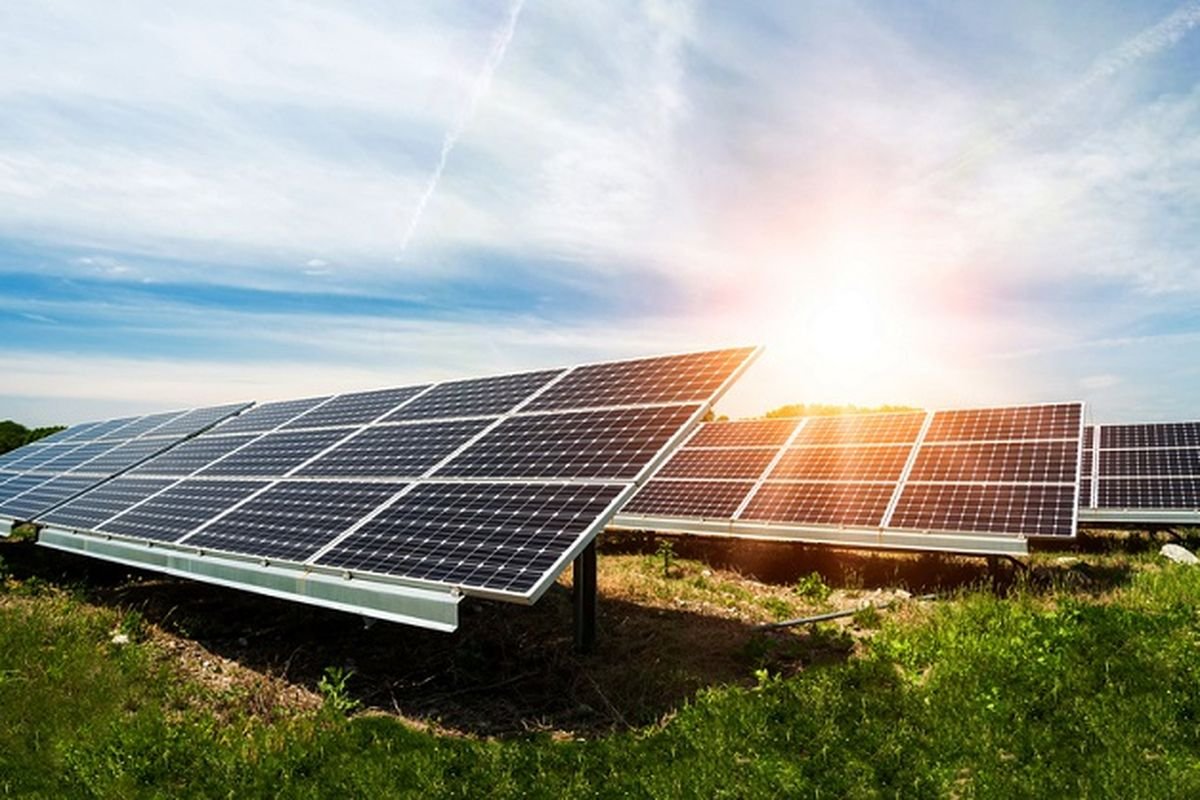

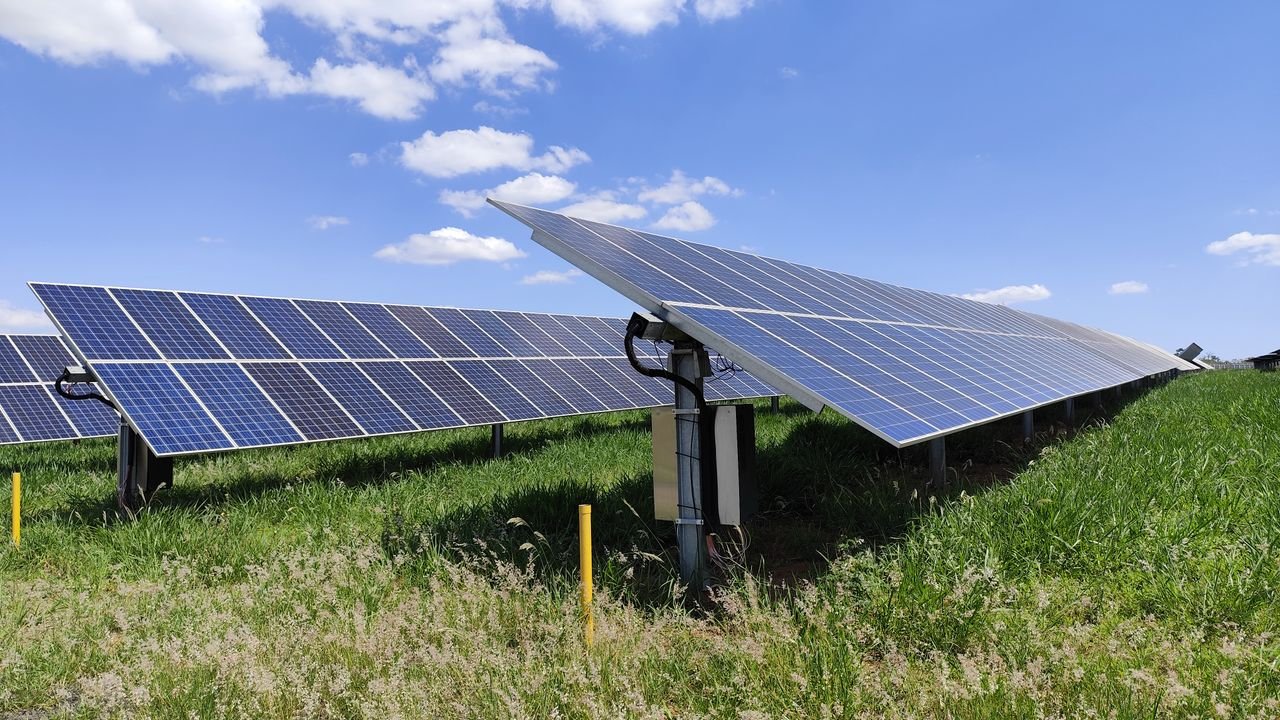
Solar panels generate electricity from sunlight. Battery storage allows some of that electricity to be saved for later. Together, they give homes and businesses more flexibility in managing their energy needs.
Before choosing a system, it helps to understand what each component does and what to expect from the combination.
How Solar Panels Work
Solar photovoltaic (PV) panels convert sunlight into direct current (DC) electricity. An inverter converts this into alternating current (AC), which powers most household appliances and business equipment.
Solar output changes throughout the day. Weather, shading, panel orientation, and installation conditions all affect how much electricity a system generates.
When production exceeds immediate consumption, a compatible battery system can store some of the surplus energy for later use.
What Is a Battery Energy Storage System?
A Battery Energy Storage System, or BESS, stores electrical energy and releases it when needed. It includes batteries, monitoring and protection systems, and equipment that manages charging and discharging.
When paired with solar panels, a BESS can store daytime solar generation for use in the evening or when demand exceeds solar output. Some systems can also charge from the electricity grid, depending on their design and settings.
A battery stores energy rather than generating it. Charging and discharging involve energy losses, so the electricity delivered will be less than the electricity used to charge it.
How Solar and Battery Storage Work Together
In a typical installation, solar generation supplies the property’s electricity demand during daylight hours. Surplus energy can charge the battery, subject to its capacity and charging limits.
When solar production falls, the battery can discharge to support connected equipment. If the available solar and battery power cannot meet demand, a grid-connected property may draw the remaining electricity from the grid.
The exact sequence depends on equipment compatibility, control settings, and the installation’s intended purpose.
Will the System Work During a Power Outage?
Backup power is possible, but it must be included in the system design.
Most conventional grid-connected solar systems shut down during a grid outage to prevent electricity from feeding into the network while it may be under repair. Having solar panels alone therefore does not usually provide power during a blackout.
A solar and battery installation needs compatible backup equipment and an appropriate electrical configuration to operate during an outage. Some systems support selected essential circuits, while others can supply larger loads within their rated limits.
Before purchasing, confirm which equipment will remain powered, how long the battery may support it, and whether solar generation can recharge the battery during an outage.
Understanding kW and kWh
Battery specifications commonly include two measurements:
Power output, measured in kilowatts (kW), indicates how much power the system can deliver at one time. This affects which appliances can operate together. Equipment with high starting demands may require additional consideration.
Energy capacity, measured in kilowatt-hours (kWh), indicates how much energy the battery can store. Check the usable capacity, which may differ from the total stated capacity.
Operating duration depends on usable energy, connected loads, conversion losses, and system settings. A larger energy capacity does not automatically mean a battery can run every appliance.
Does Every Solar System Need a Battery?
Not every installation requires storage. A property that consumes most of its electricity during daylight hours may use a substantial share of solar generation directly.
Battery storage may be useful when the aim is to use more solar energy after sunset or support selected equipment during outages. Its suitability depends on consumption patterns, available solar generation, budget, and technical requirements.
Any estimate of electricity savings should account for local tariffs, applicable grid arrangements, system costs, and expected performance.
Start with What You Need to Power
The right starting point is your energy demand. Gather recent electricity bills, identify important equipment, and note when it operates. If backup power matters, decide which loads are essential and how long they need to run.
This information helps define the requirements before selecting panels, inverters, or batteries.#